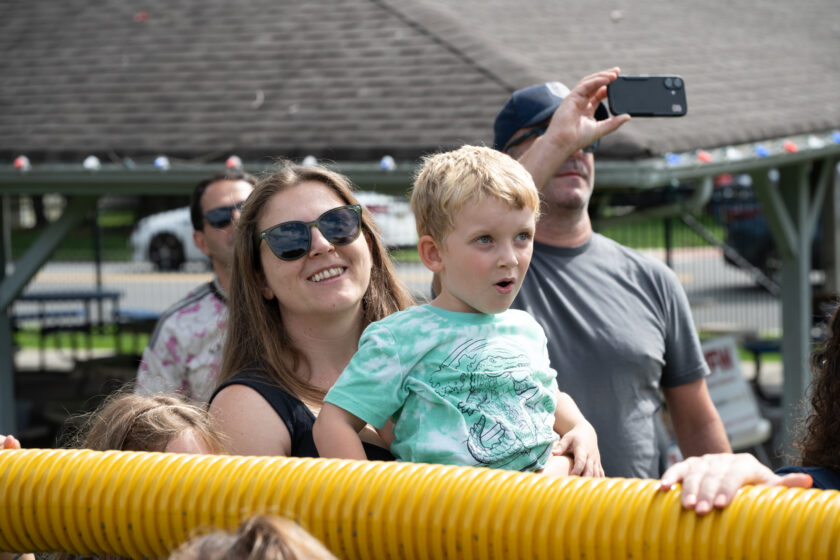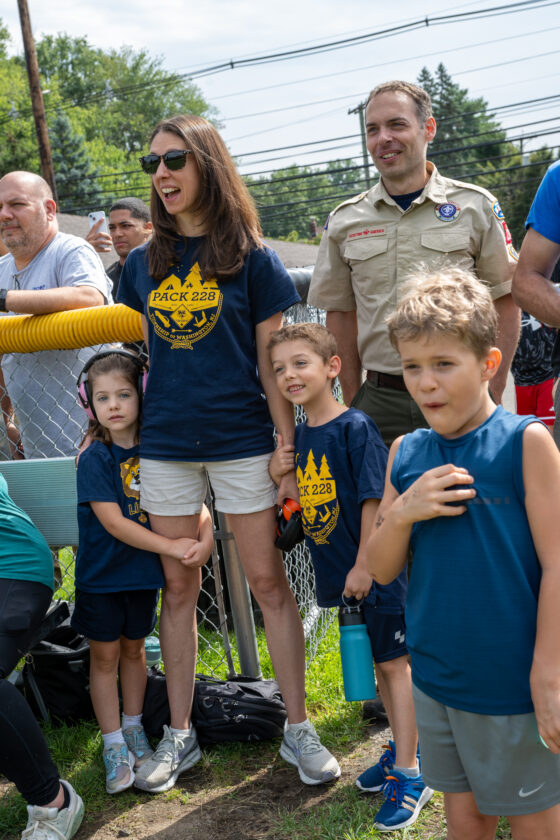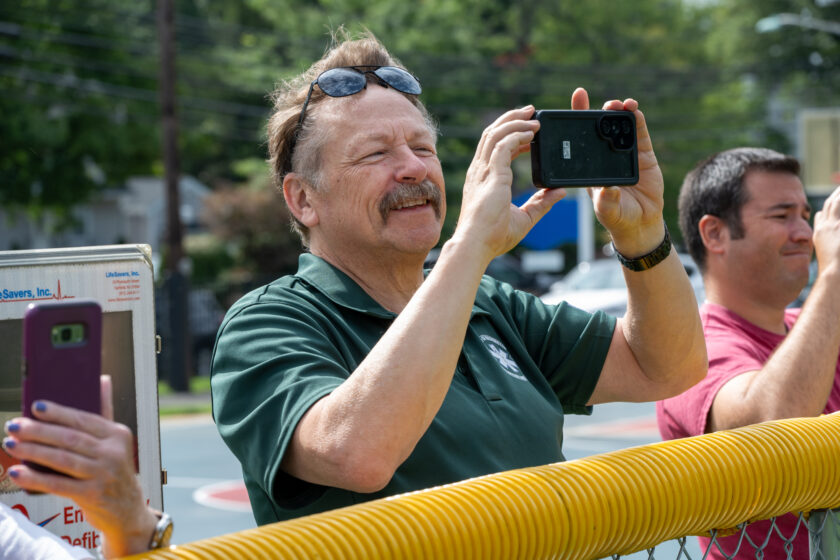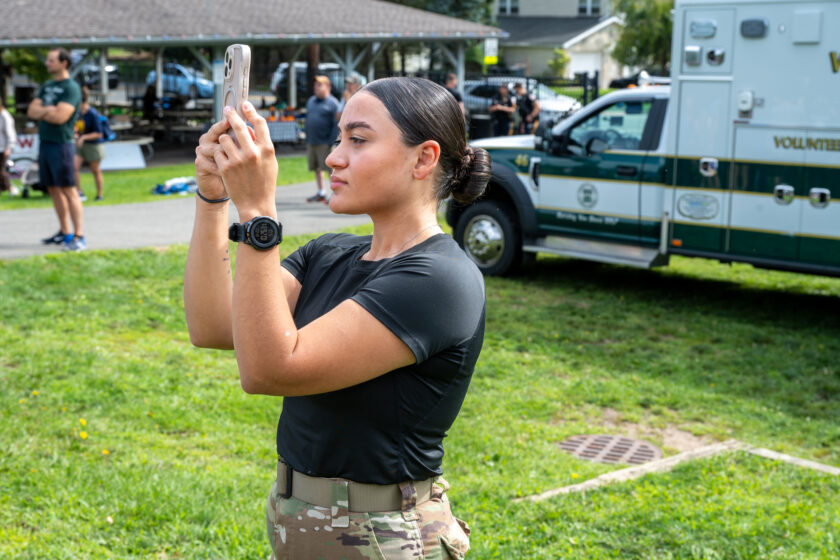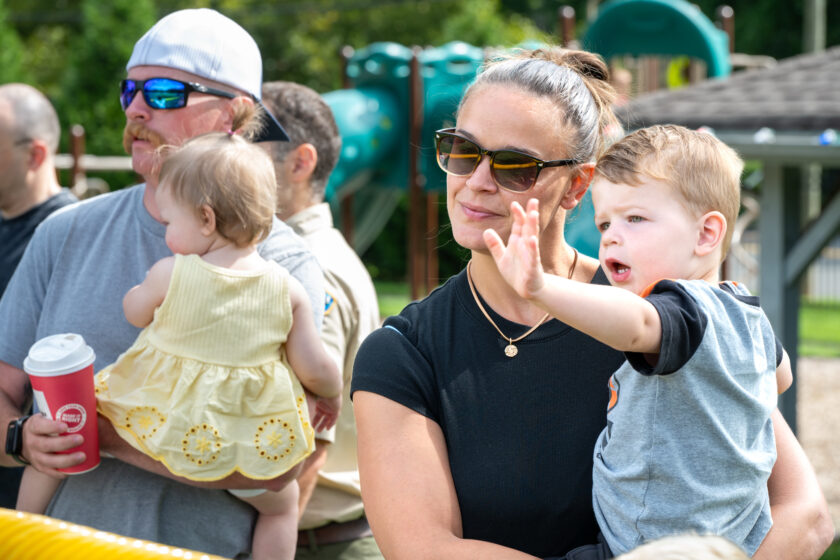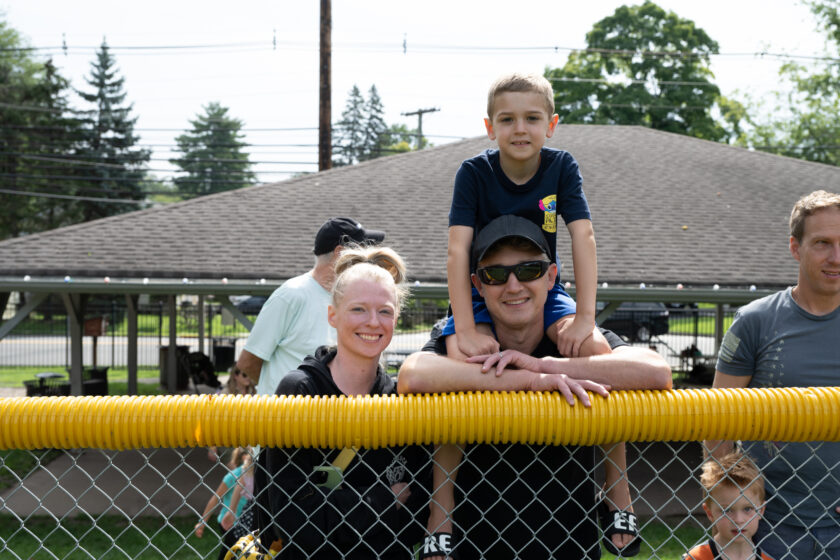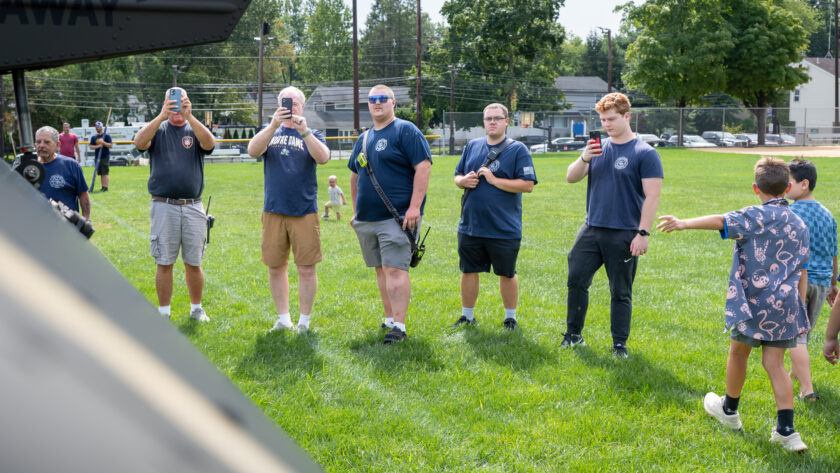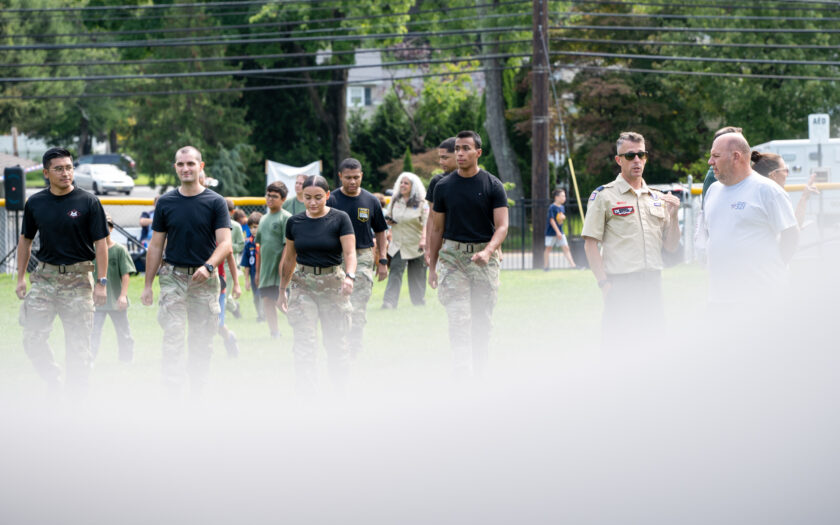
TOWNSHIP OF WASHINGTON, N.J.—On a gorgeous summer Saturday morning, Memorial Field swarmed with families. Scouts clustered with friends. Parents readied their phones. Veterans, first responders, and community leaders scanned the sky.
Soon, the Black Hawk announced itself: a distant thumpa-thumpa-thumpa gathering force beyond the treeline.
Then came a shout: “Here they come!”
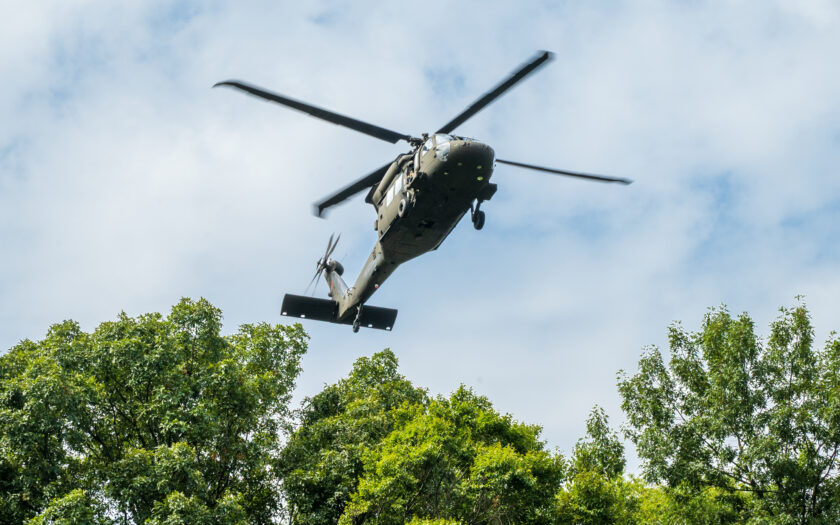
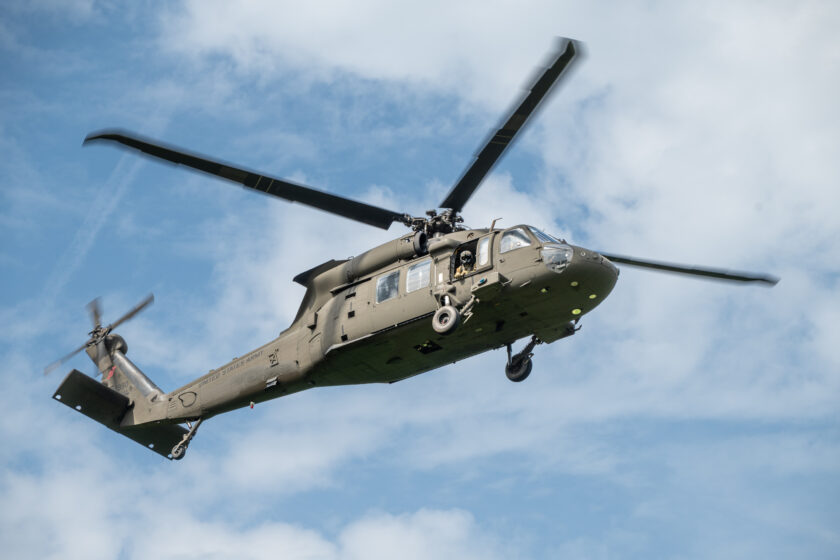
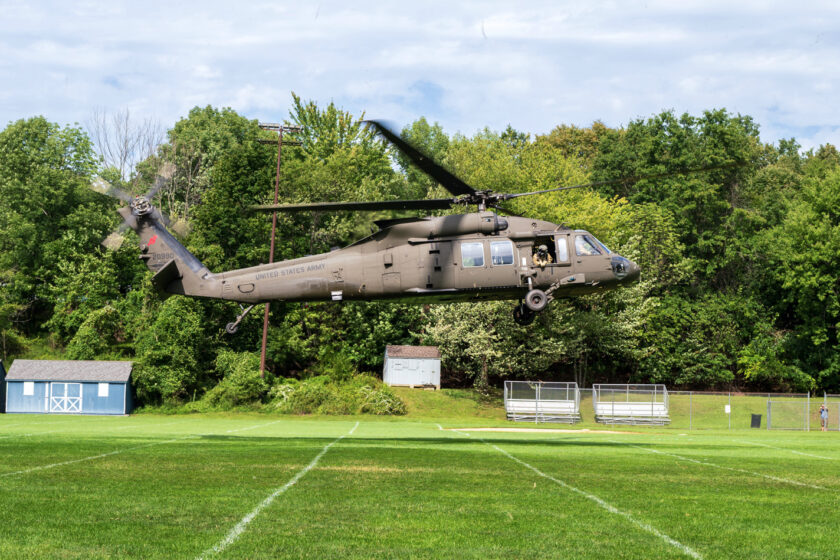
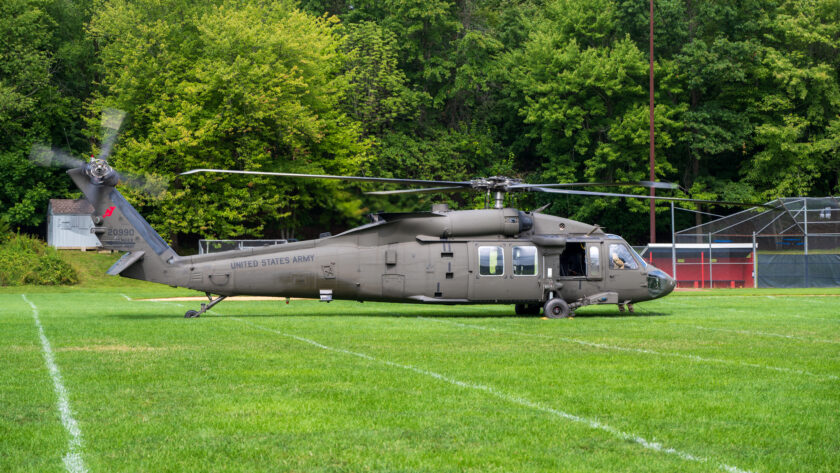
A New Jersey Army National Guard UH-60 Black Hawk burst into view above the trees, swept over the field and disappeared beyond downtown. Moments later, it circled back and descended before a crowd waiting for precisely this moment.
“That is so cool,” one dad said.
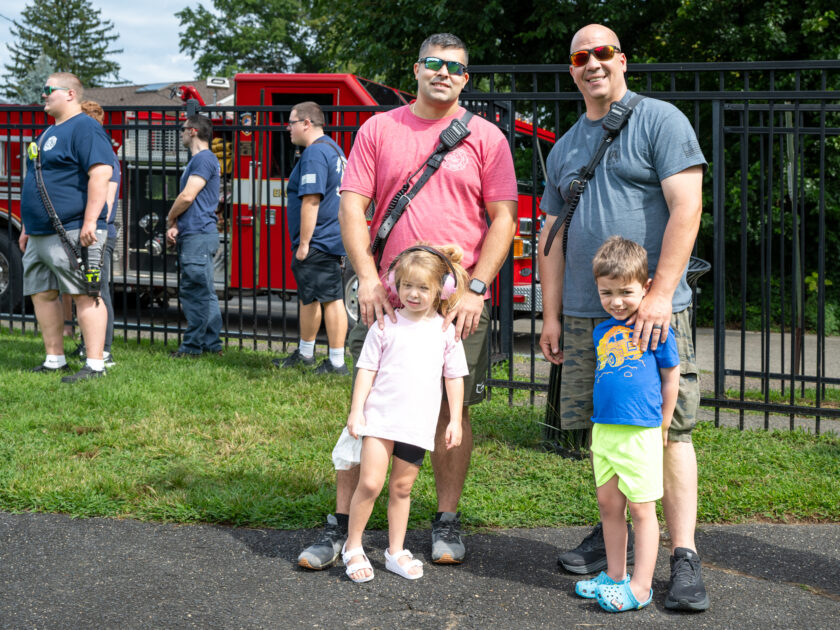
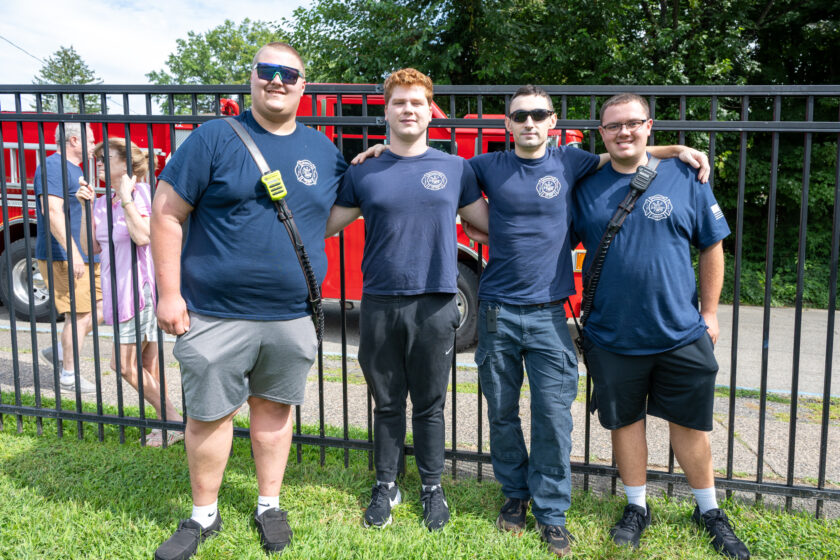
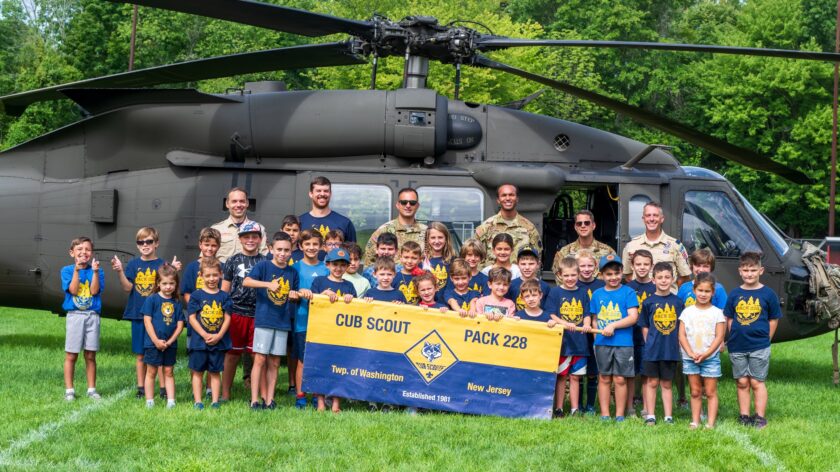
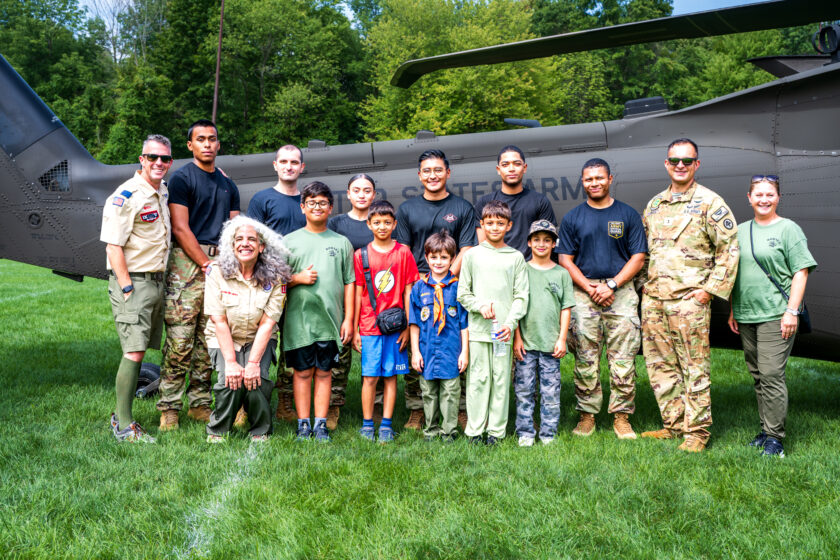
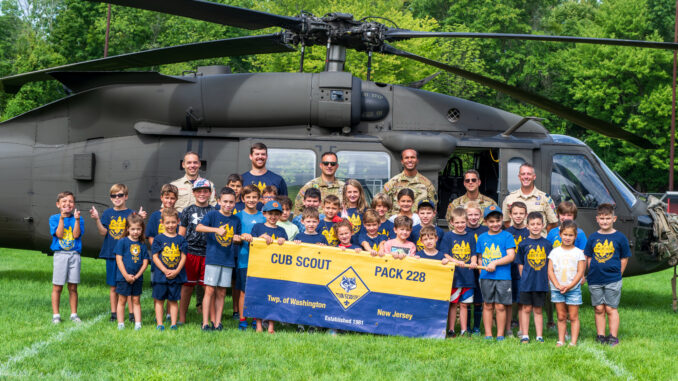
The landing was the centerpiece of “Scouts Take to the Skies,” an Aug. 22 community event that brought together local Scouting programs, the New Jersey Army National Guard, VFW Memorial Post 6192, first responders, law enforcement, and families from the Township and communities across Bergen County.
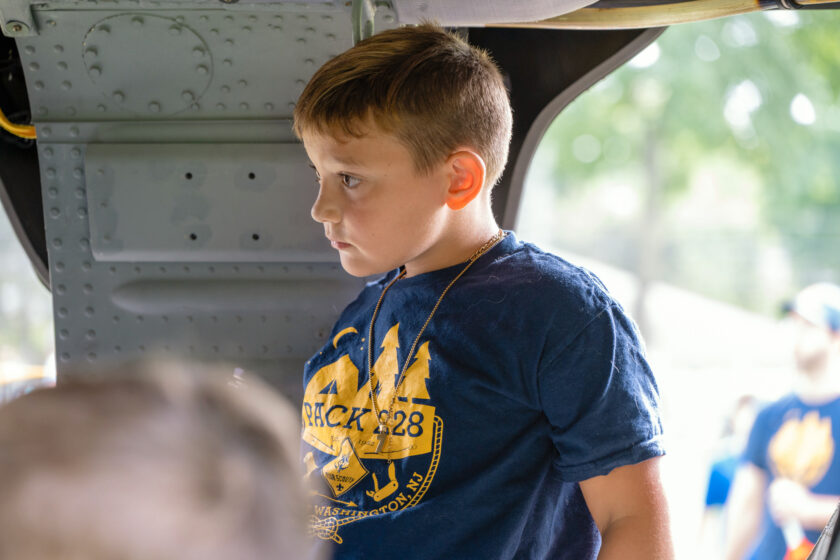
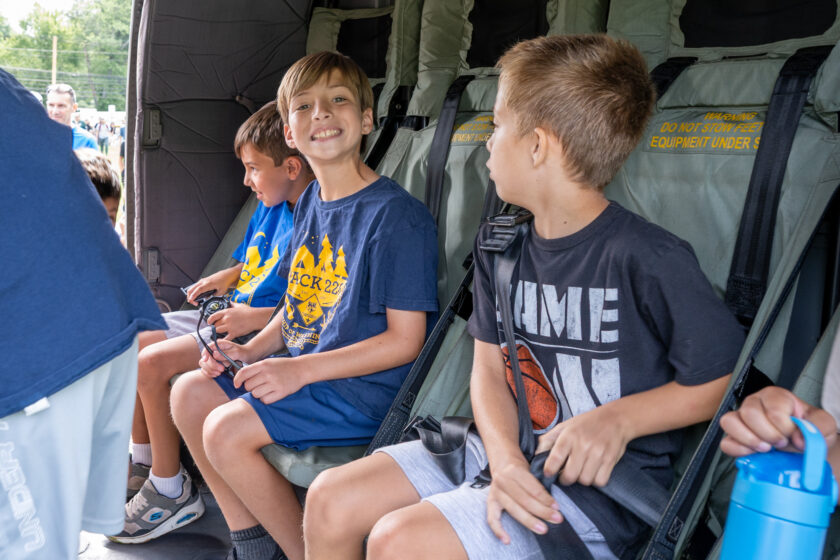
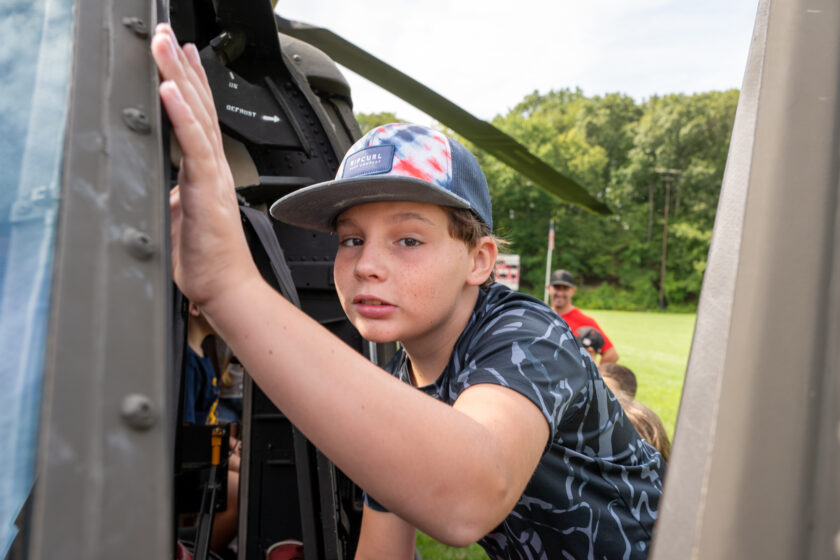
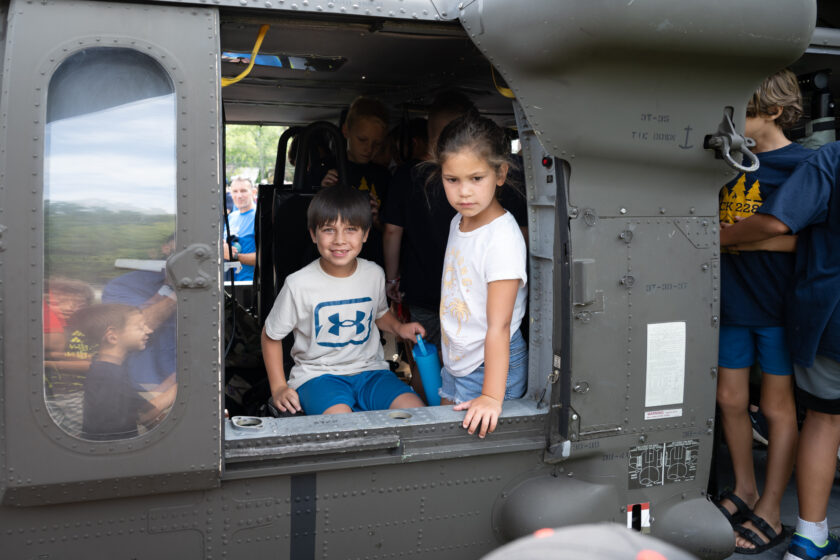
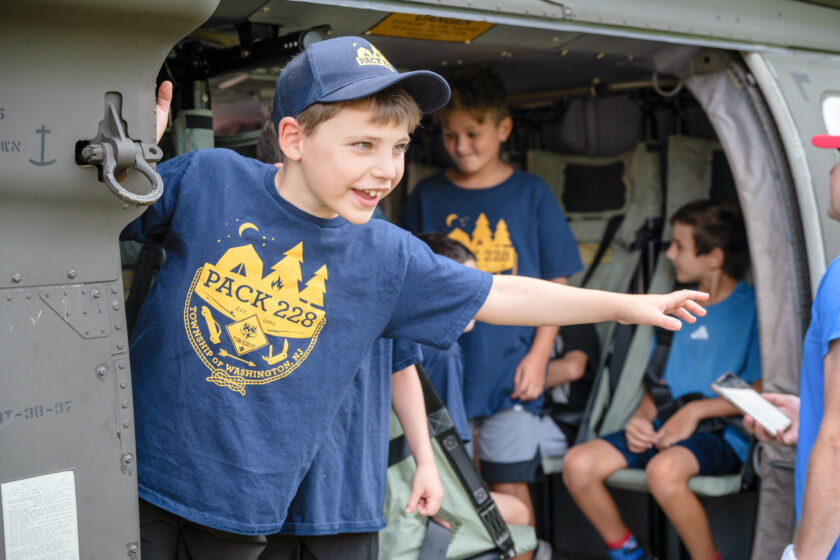
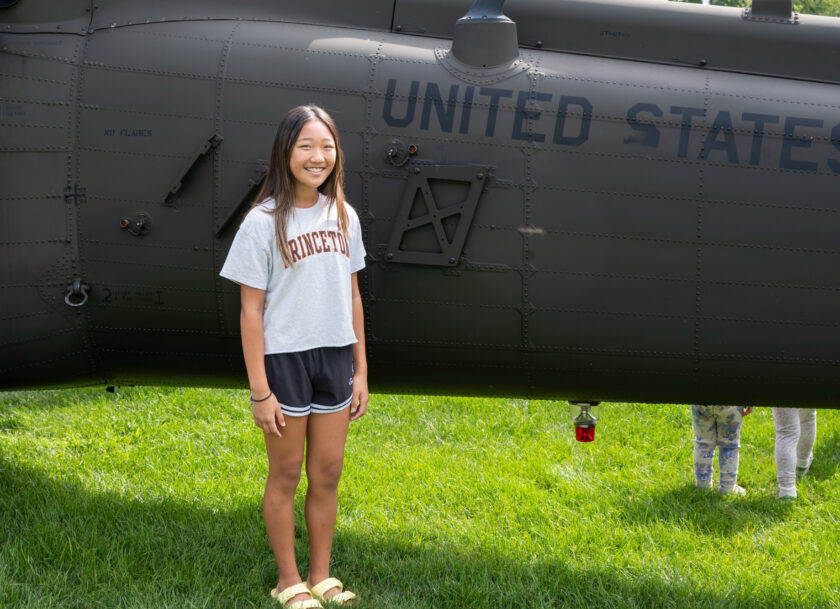
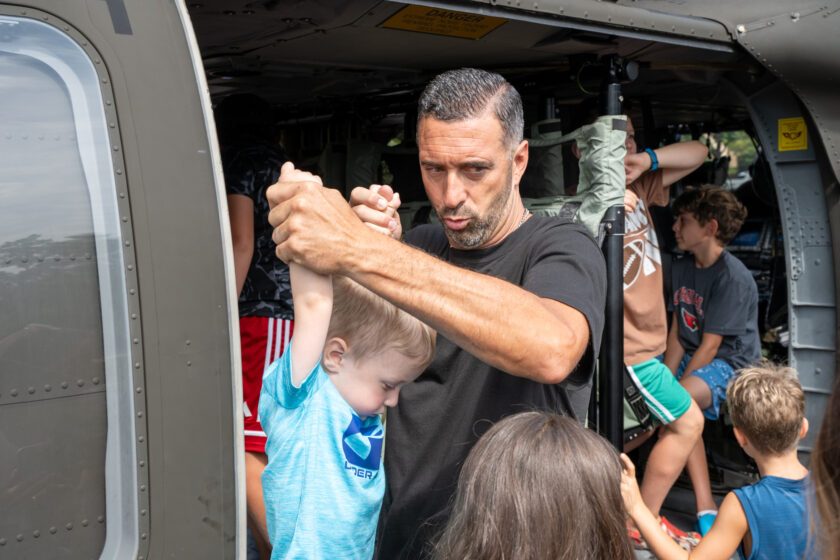
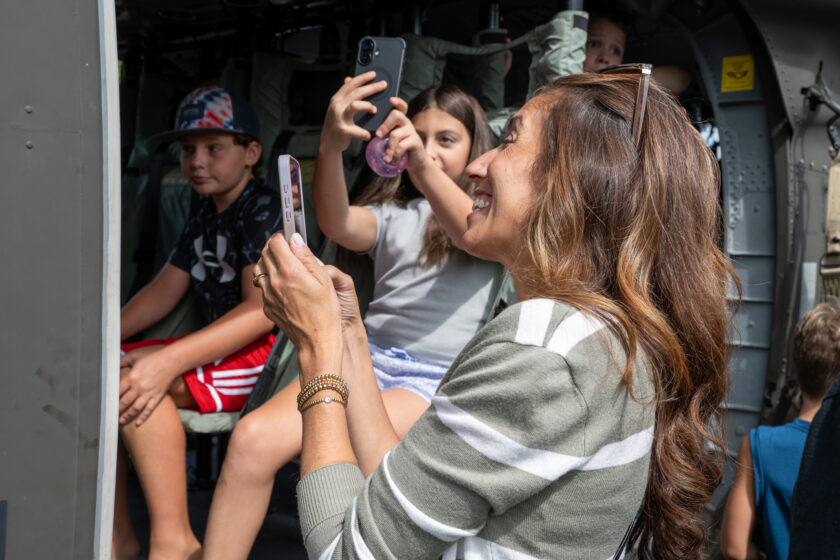
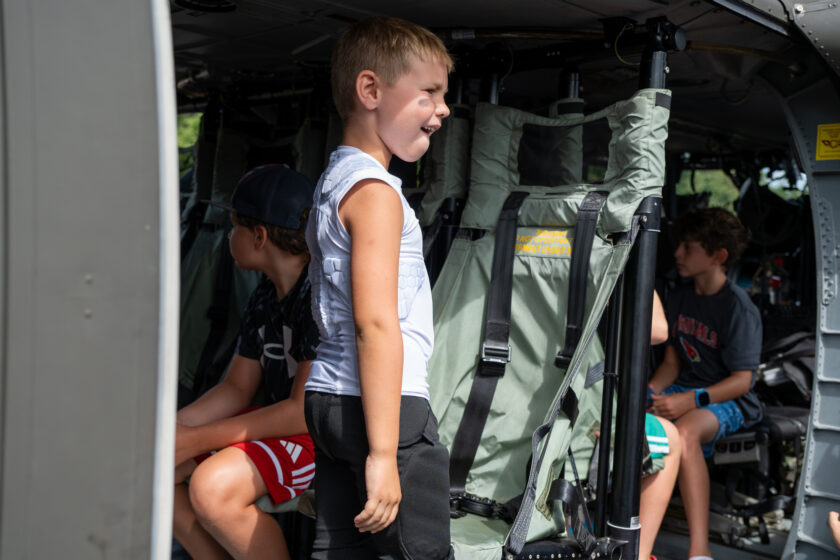
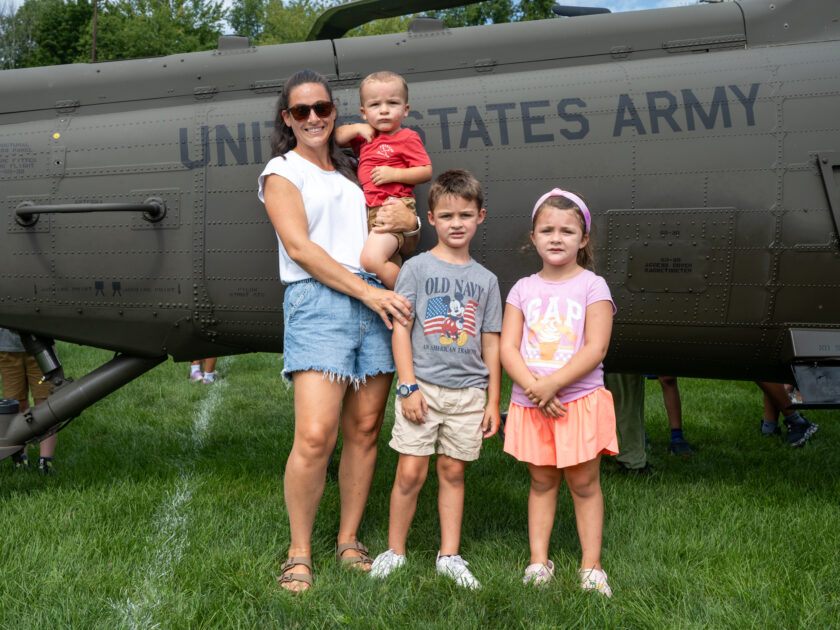
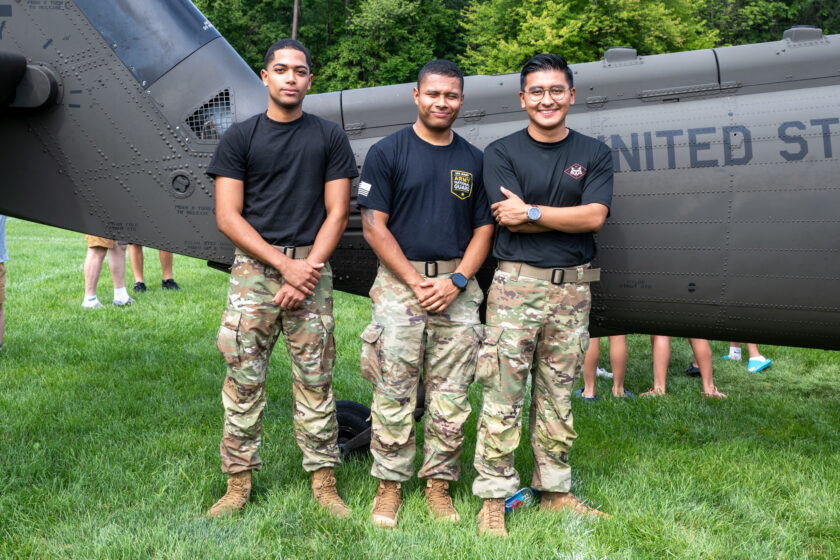
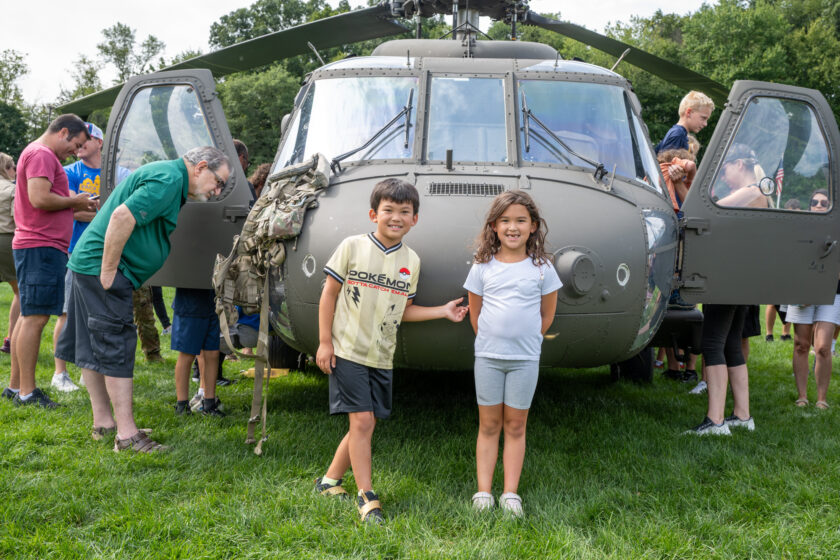
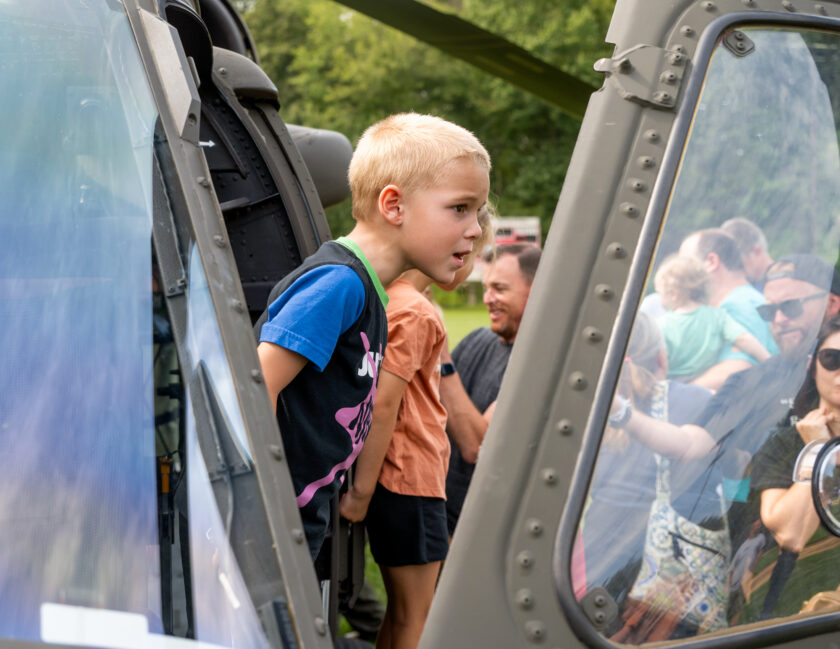
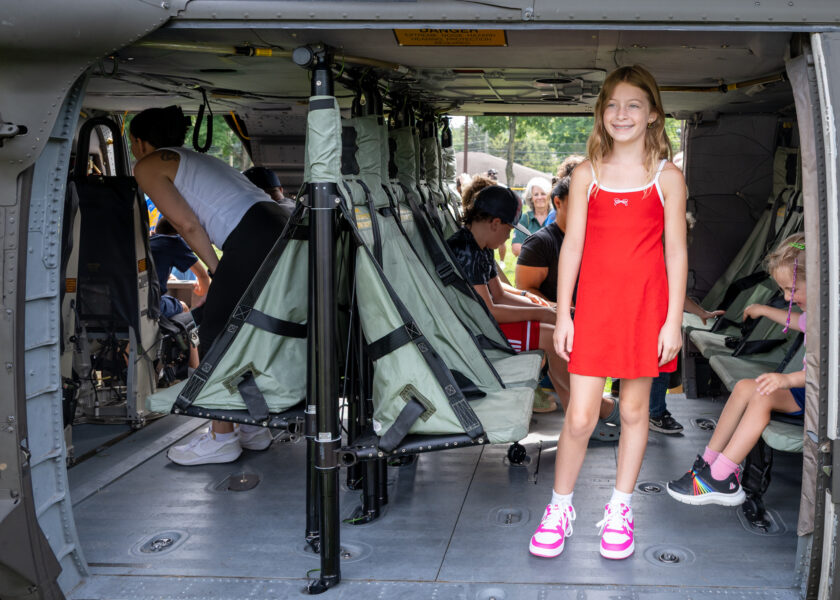
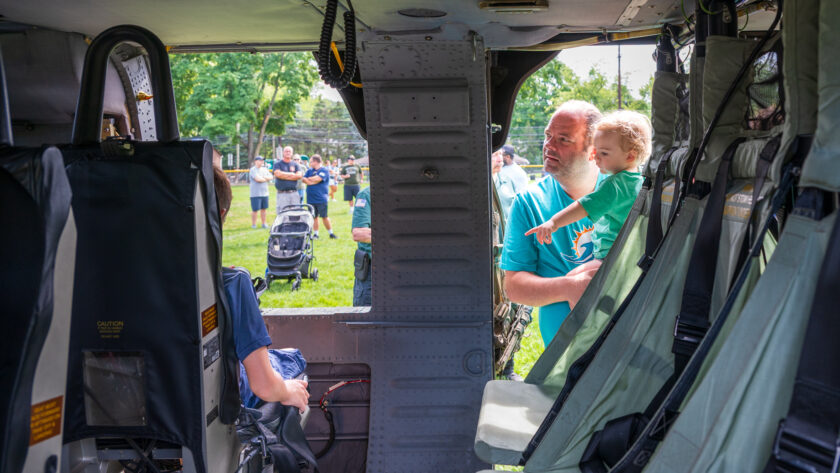
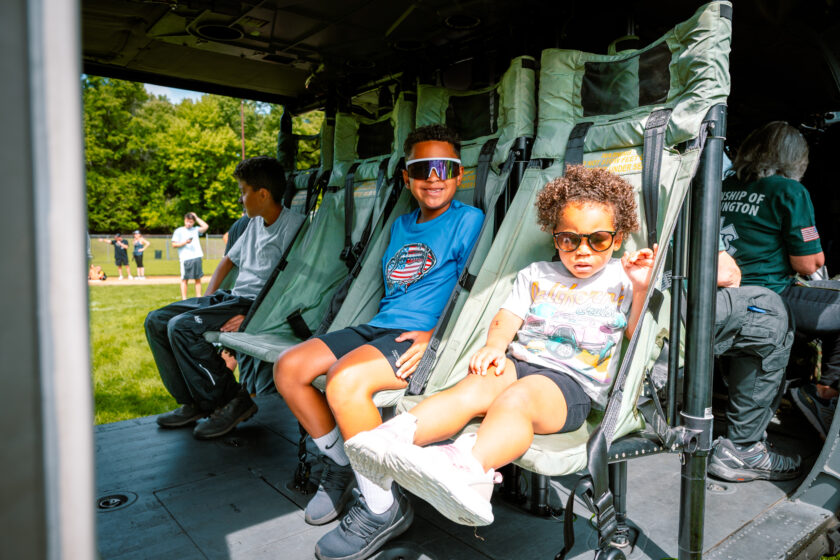
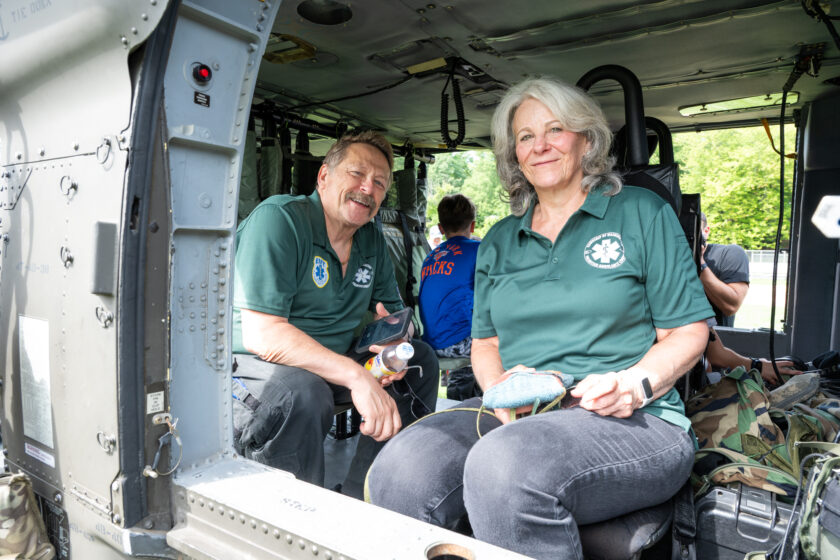
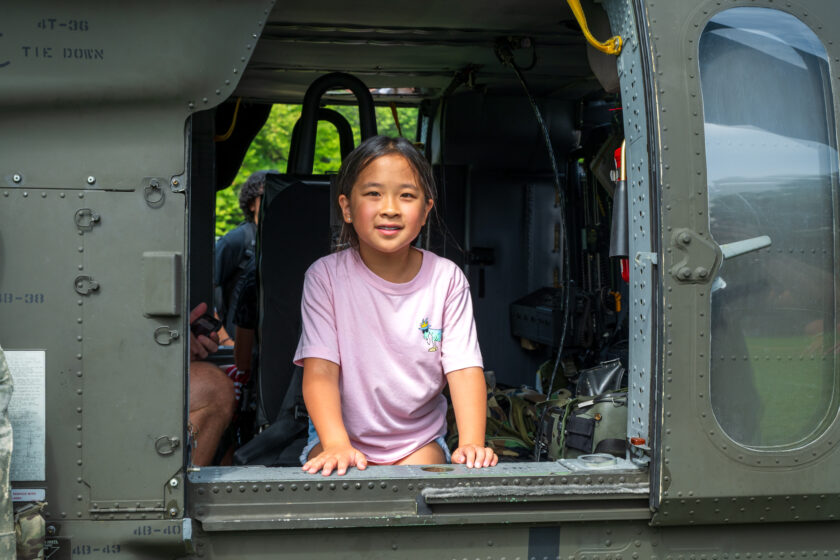
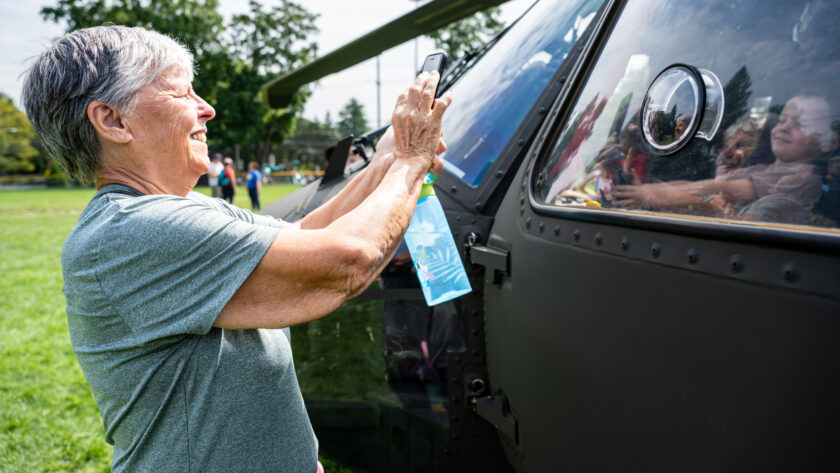
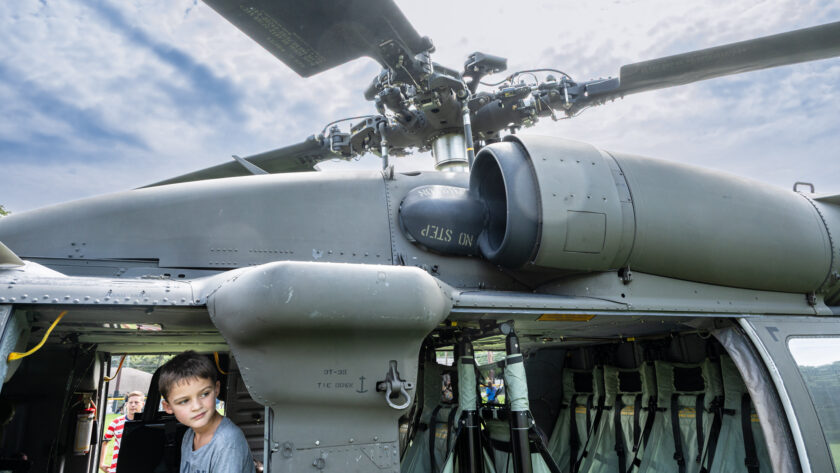
Once the helicopter was safely down and its rotors had stopped, the field transformed. Children who minutes earlier had watched from behind fences poured around the aircraft, met its crew, and peered through its open doors.
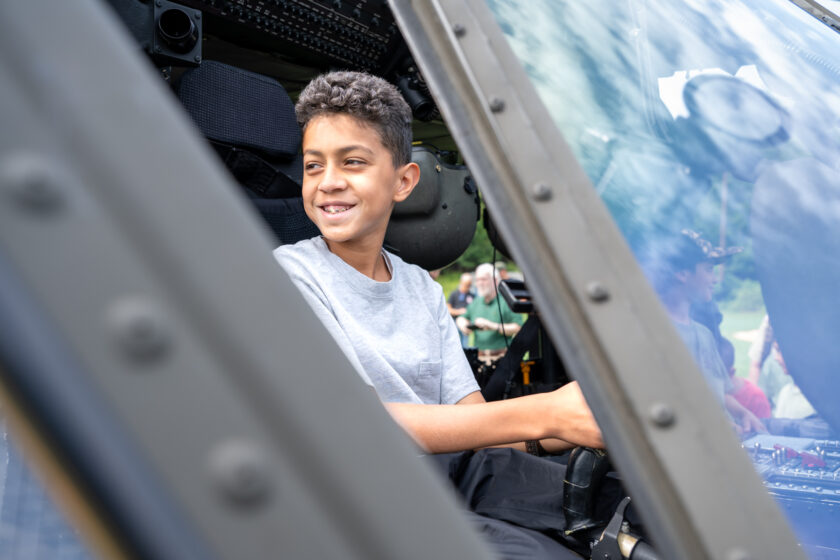
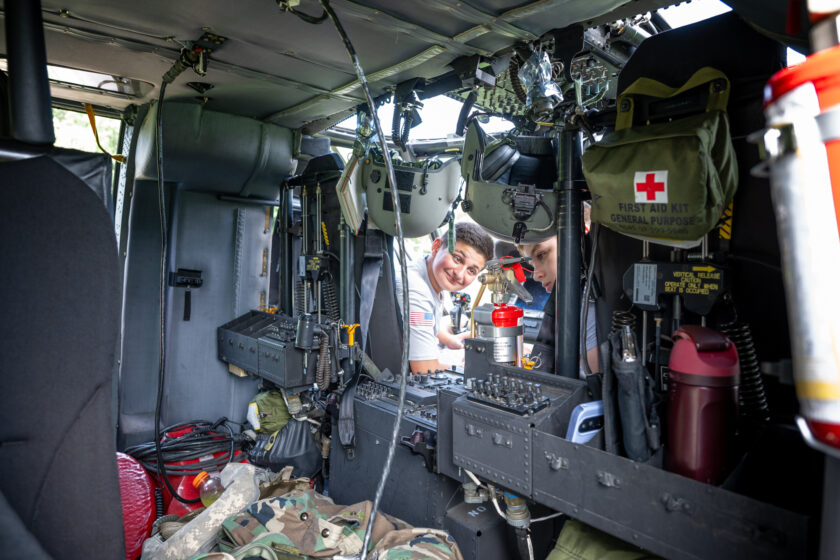
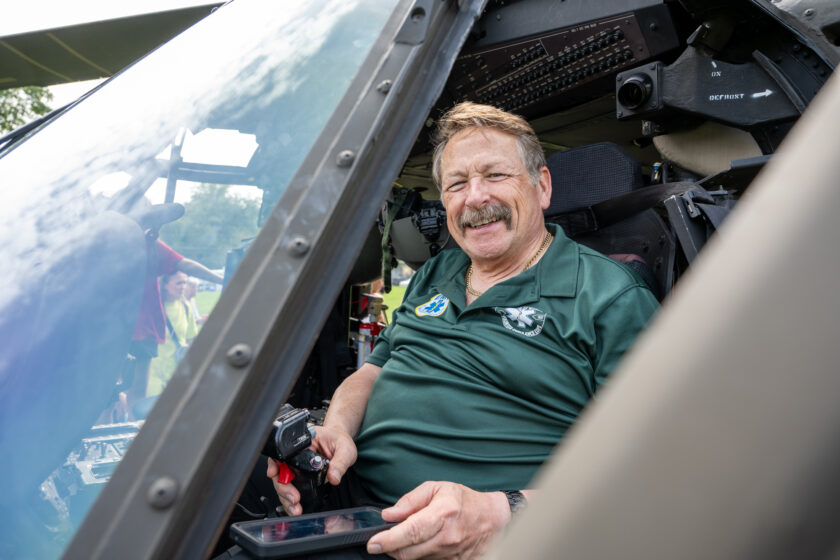
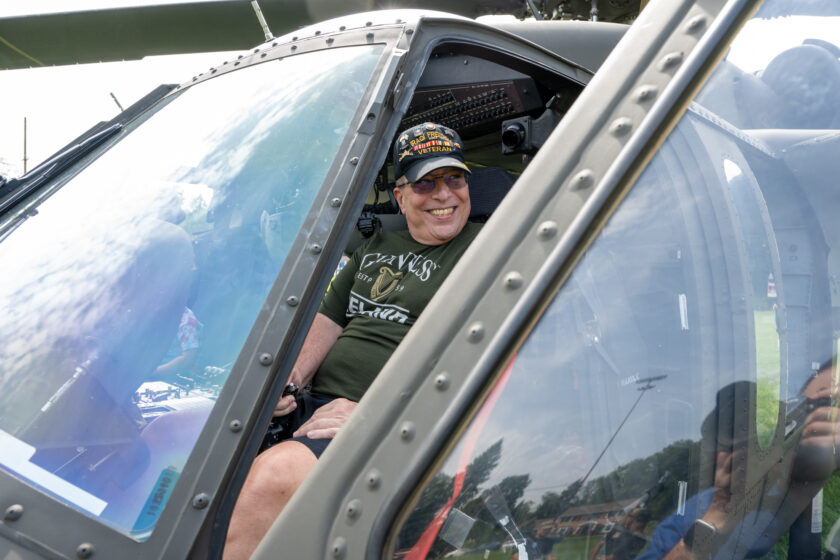
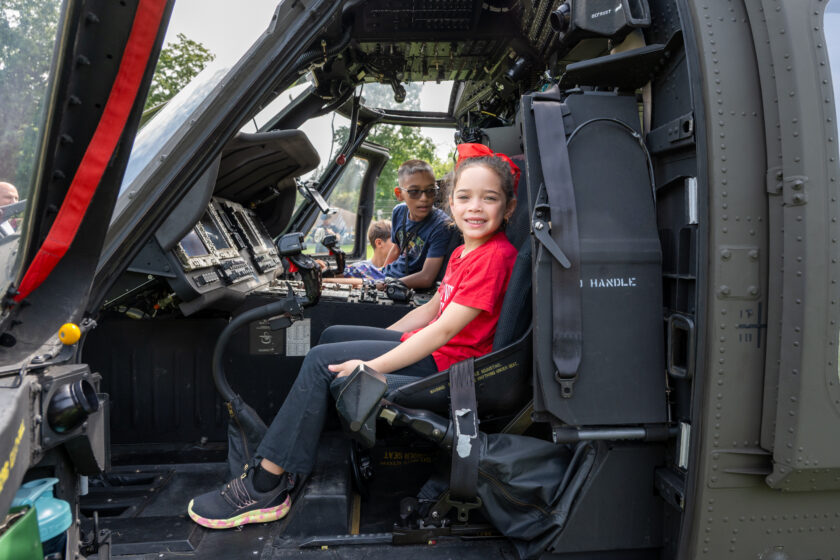
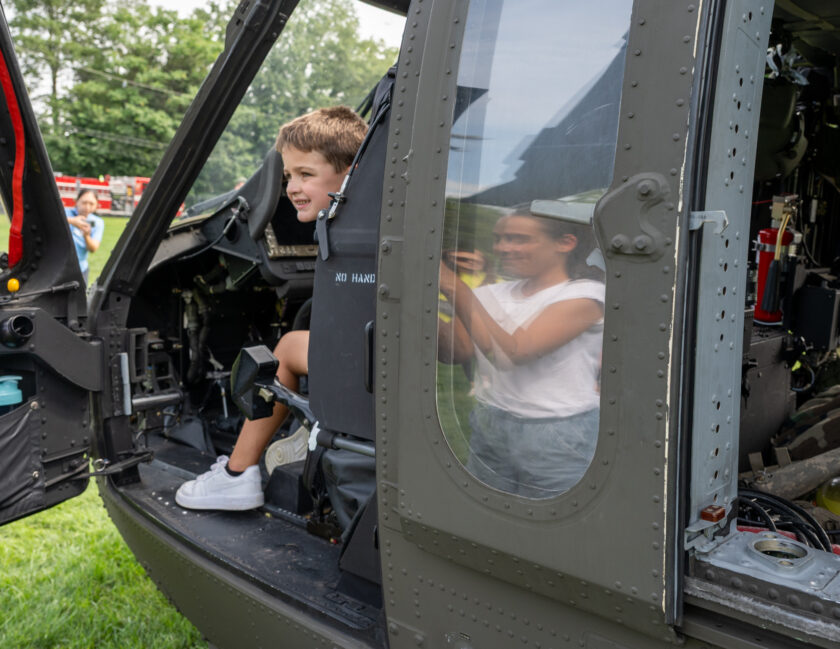
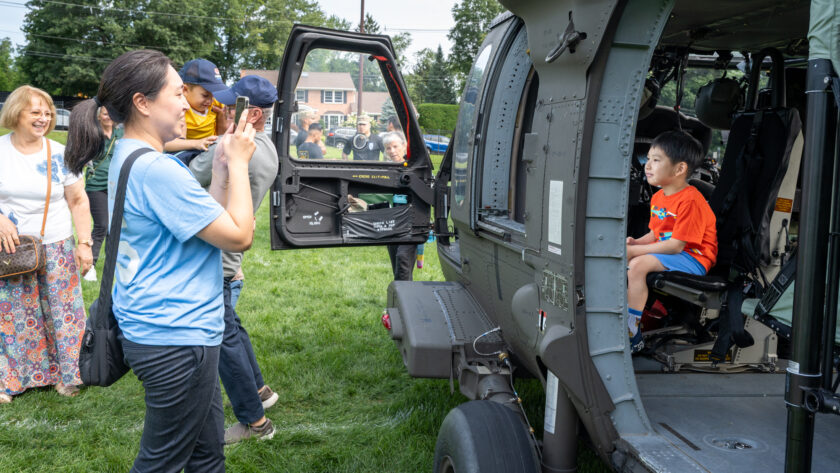
A line formed for the cockpit. Young visitors climbed into the seats, wrapped their hands around the controls and studied an instrument panel packed with switches and gauges. They were cautioned not to touch the buttons.
Some waved at parents, grandparents, and friends. Others needed coaxing to surrender the seat to the next aspiring aviator.
[Editor’s note: We’ve appended dozens of photos of the day’s fun, by John Snyder, at the bottom of this story. Enjoy!]
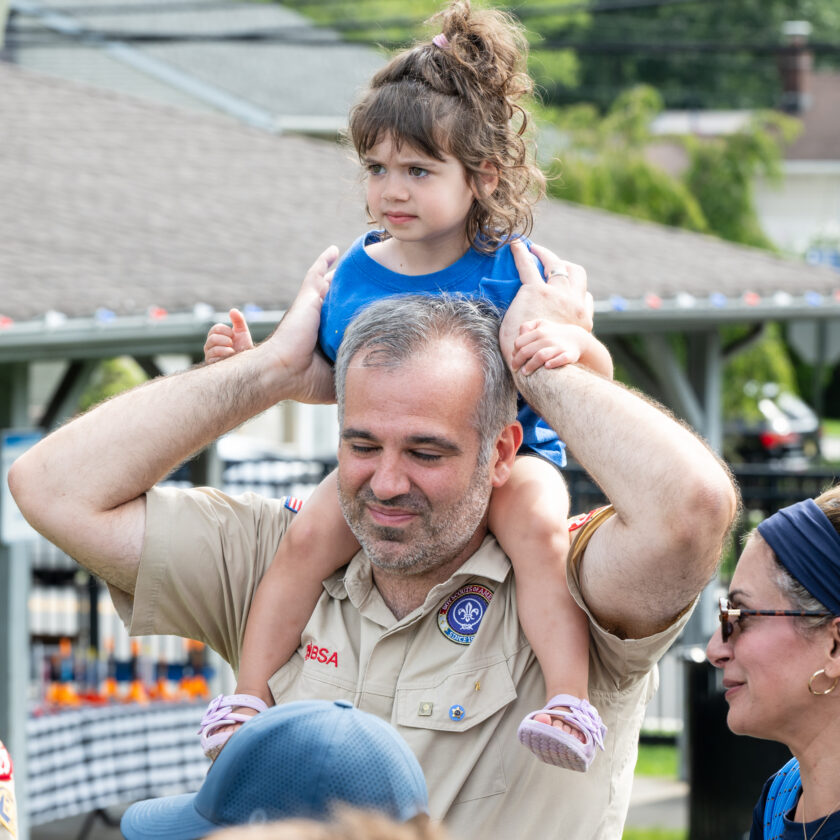
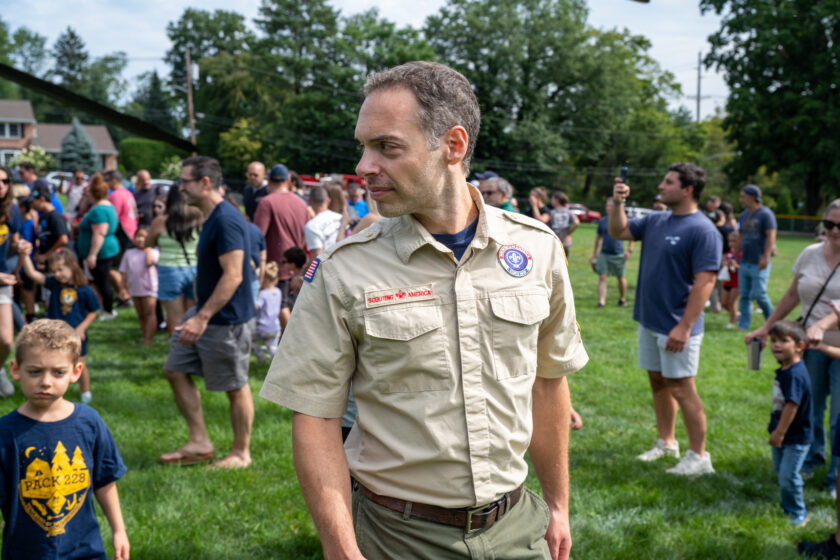
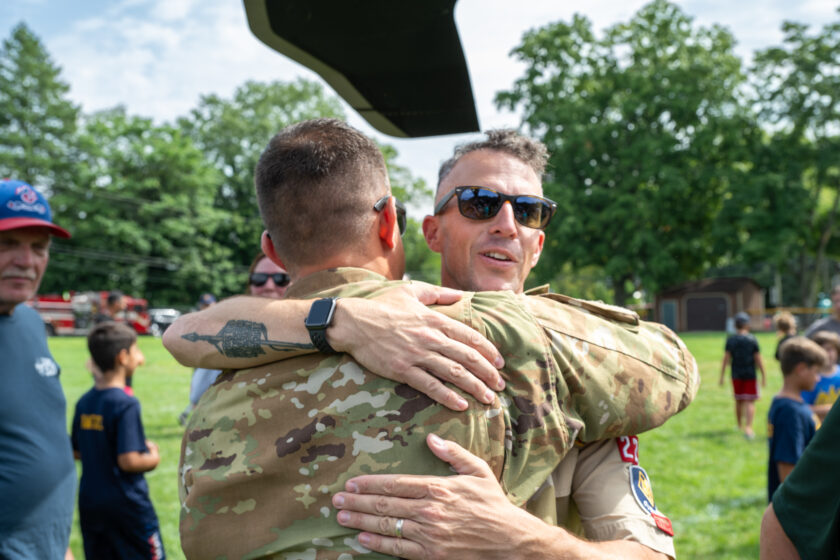
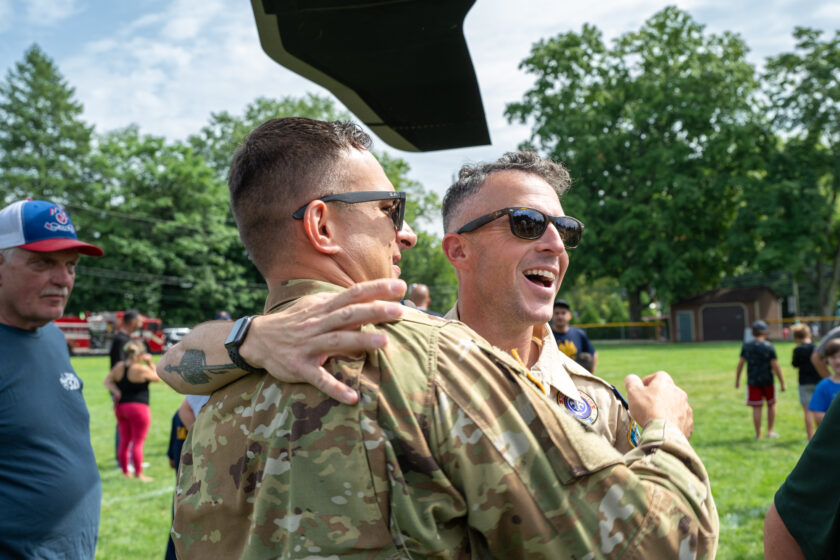
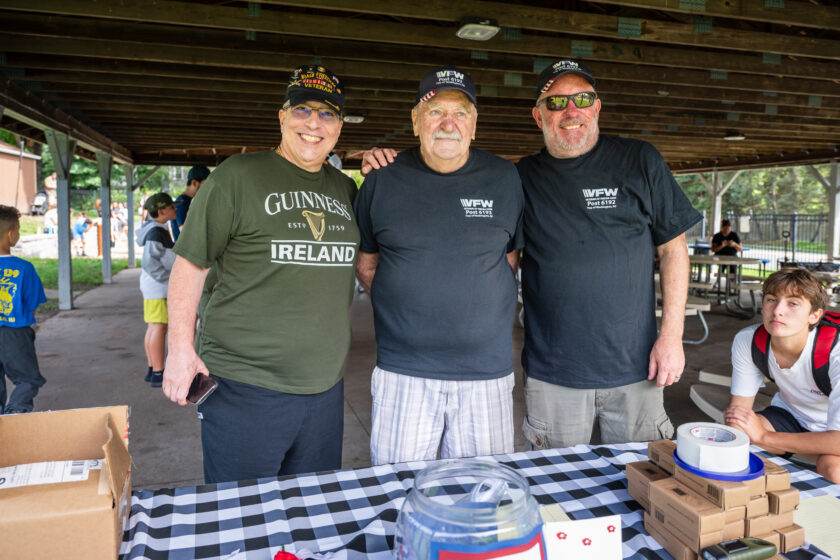
For Lt. Col. Vincent P. Tirri, the local cubmaster, a member of VFW Post 6192 and commander of the New Jersey Army National Guard’s Recruiting and Retention Battalion, the excitement was part of a larger lesson.
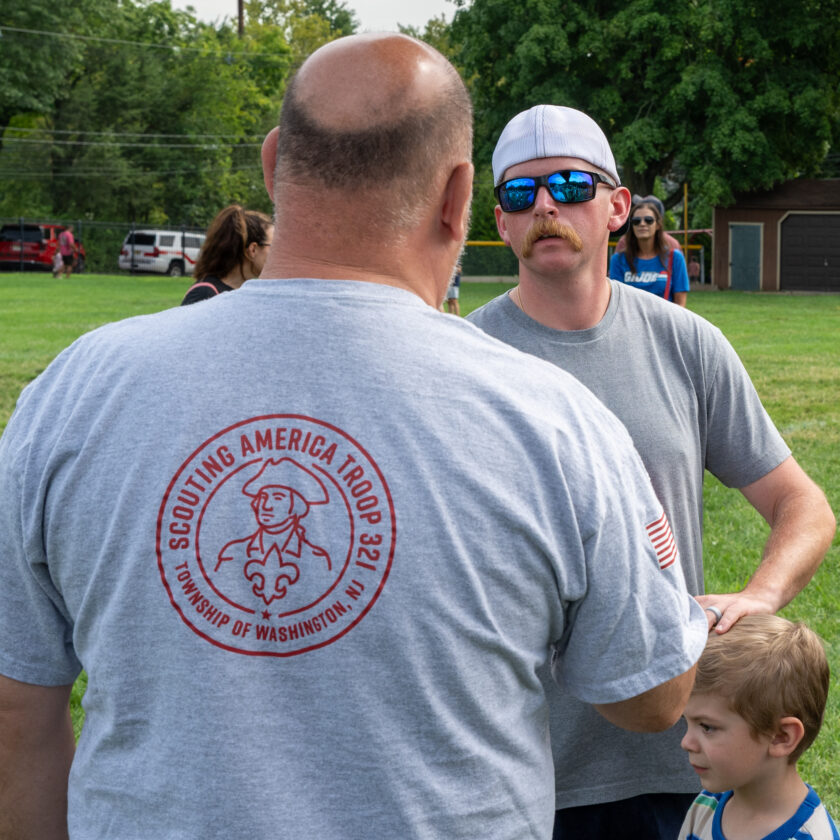
The Cub Scout pack, he said, actively introduces children to the outdoors as well as science, technology, engineering and mathematics. Bringing a working military aircraft into the community offered a memorable way to connect those interests. (The Township’s Scouting programs include Cub Scout Pack 228, led by Tirri, and Scouts BSA Troop 321, led by Scoutmaster Bob Terzi.)
“This is a really great opportunity for them to see aviation in action,” Tirri said. The partnership was natural, as the VFW post charters the scouts.
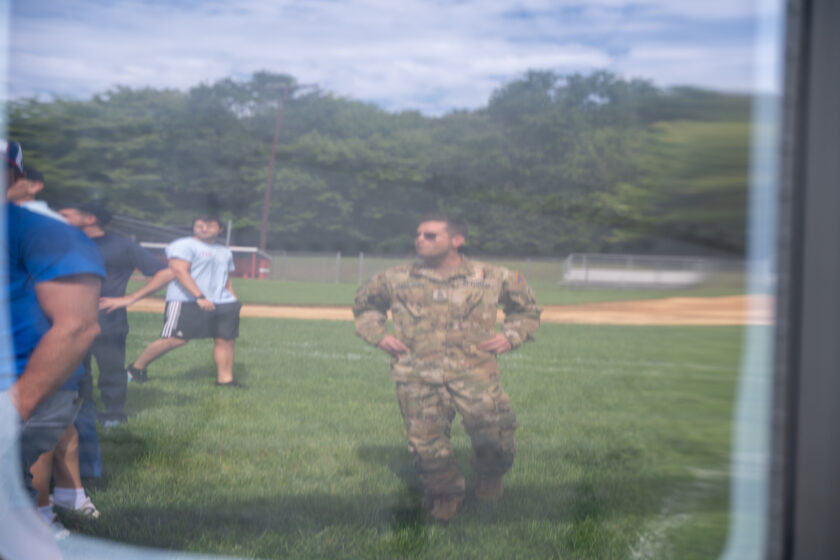
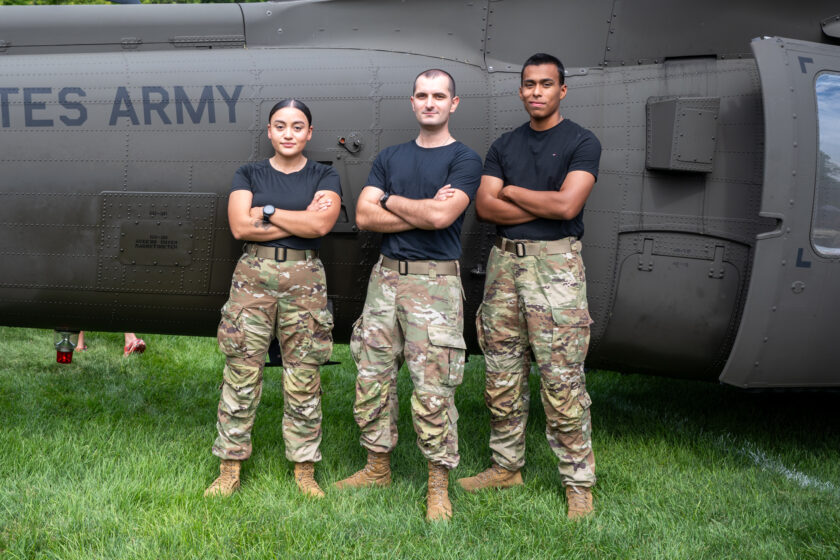
The Black Hawk and its crew came from the New Jersey Army National Guard’s 1st Battalion, 150th Aviation Regiment, based at Joint Base McGuire-Dix-Lakehurst.
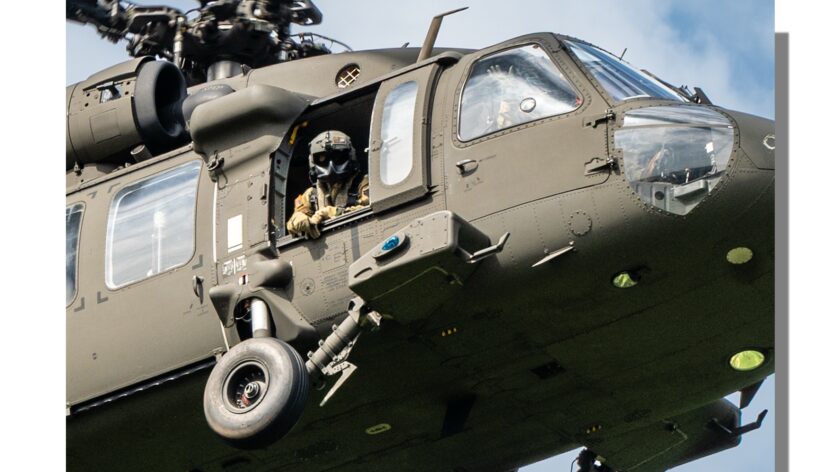
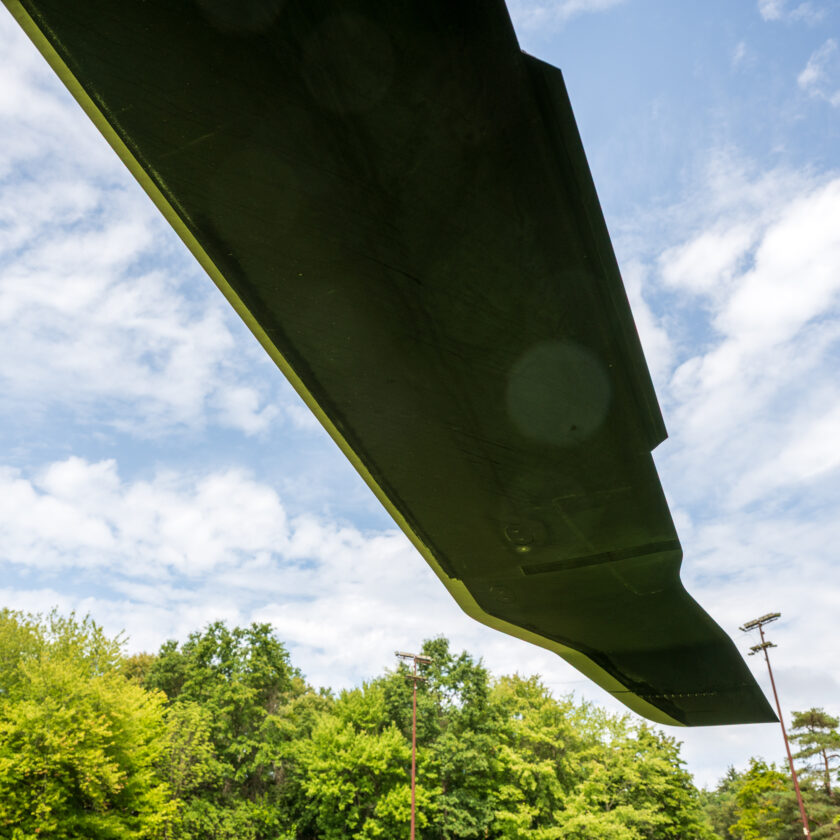
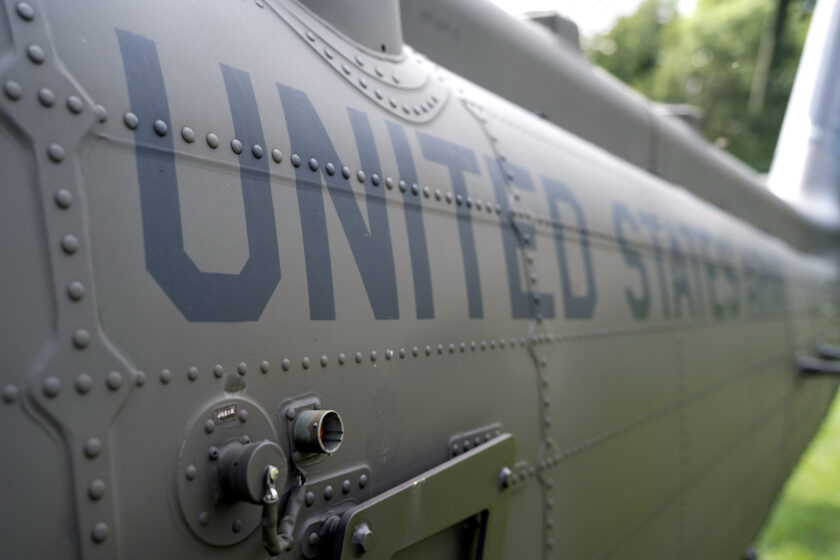
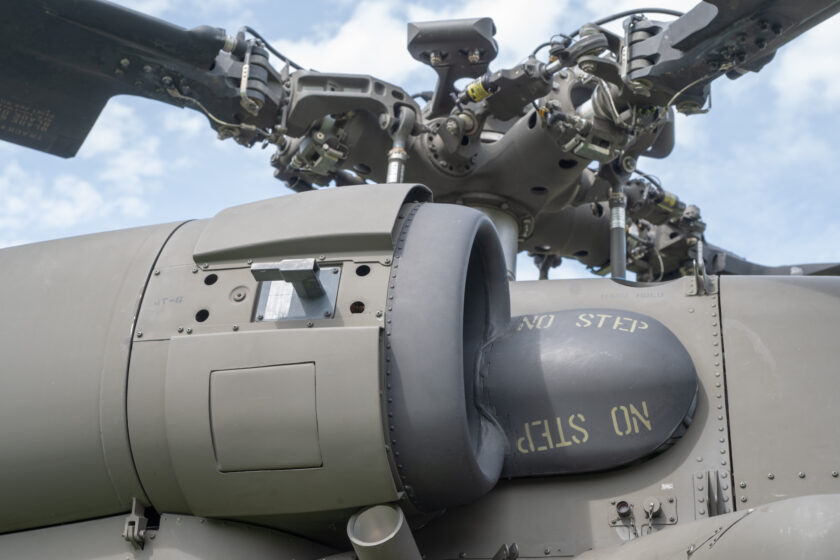
According to the U.S. Army’s “Weapon Systems Handbook 2020–2021,” the Black Hawk is a four-bladed, twin-engine utility helicopter built to move troops and cargo, conduct air assaults and support missions ranging from medical evacuation to disaster response. Depending on the variant, it can carry a four-person crew and as many as 11 fully equipped troops, reach roughly 174 mph and weigh up to 22,000 pounds when fully loaded. Its critical systems are armored or duplicated, while its airframe is designed to absorb energy progressively during a crash. In the cockpit, linked flight controls allow either pilot to fly the aircraft.
Members of the Guard’s 254th Regiment also attended to discuss unmanned aerial systems. Tirri said the unit helps train Guard personnel from all 54 states and territories in the use of those systems.
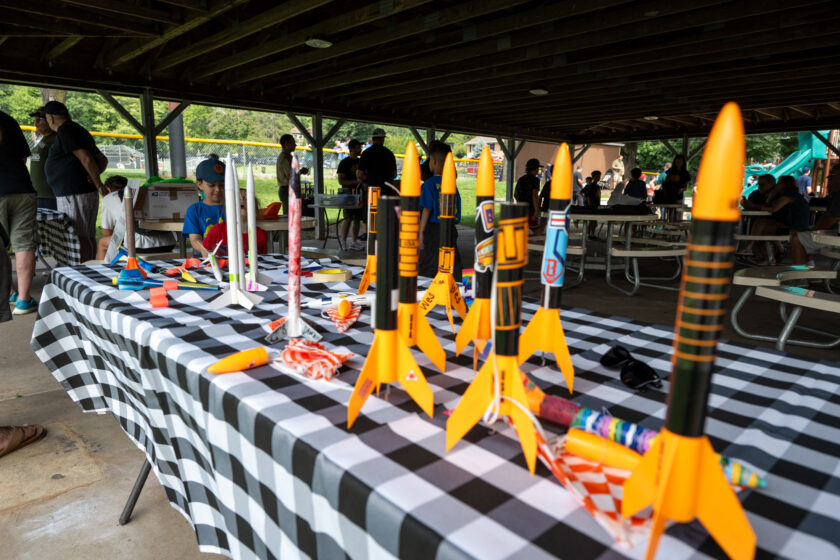
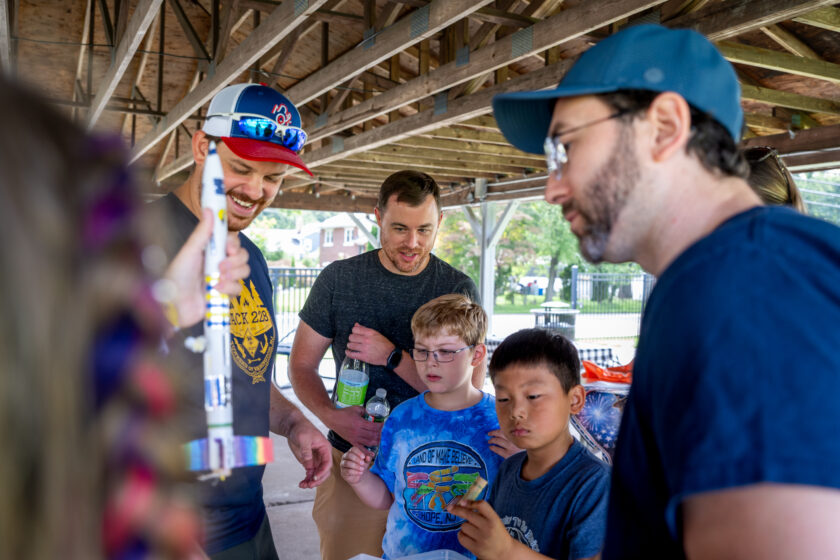
After the helicopter’s departure, organizers planned to continue the aviation theme with a drone display, model-rocket launches and water-bottle rockets demonstrating how air pressure produces thrust.
“The flight crew is going to show the kids the helicopter and what it’s all about to be an aviator,” Tirri said. The rockets, he added, would connect the experience with lessons about space and technology.
Tirri’s own path into military service began with two veterans who helped shape his childhood. His grandfather served in the Army during World War II, and his Scoutmaster was a Vietnam veteran.
When Tirri was in college and trying to determine what direction his life would take, a friend joined the National Guard and told him about the experience.
“That sounds like it’s for me,” Tirri recalled thinking.
He expected to serve six years, graduate from college and move on.
“Twenty-eight years later, here I am,” he said.
Tirri now leads the Cub Scout pack, assists Scoutmaster Bob Tirzi with the local troop, and serves with the VFW as well as the Guard.
“I go where they tell me to go,” he said.
Around the Black Hawk, crew members fielded a steady stream of questions. They explained how the pilots’ controls work together, what the pedals do and how much training it takes to become comfortable flying a helicopter.
The answers only fed more questions.
Could the helicopter take them for a ride? Could they fly it? Could they jump out of it?
The answer: no. Next?
Chief Warrant Officer 2 Richard Kovats, the Black Hawk’s pilot, from Oakland, understood the fascination. Flying, he said, was something he had wanted to do since childhood.
Kovats earned his civilian pilot’s license as a teenager and later flew for television news and charter services. He enlisted in the Army in November 2001, while still in high school and only two months after the Sept. 11 attacks. He served first in the infantry before becoming an Army aviator.
His call sign, “Rogue 43,” honors President George W. Bush, who was in office when Kovats enlisted.
Asked to reflect on the years since then and on how the world had changed, Kovats kept his answer simple.
“I’m just a pilot,” he said. “I’m happy to be here.”
For Tirri, the crew’s visit allowed residents to see another side of the Guard: citizen-soldiers whose training and equipment can be put to work in the communities they call home.
Guard aviators have supported forest-fire operations, search-and-rescue efforts and civil authorities responding to emergencies.
“We are citizen-soldiers,” Tirri said. “This is community service at the highest level.”
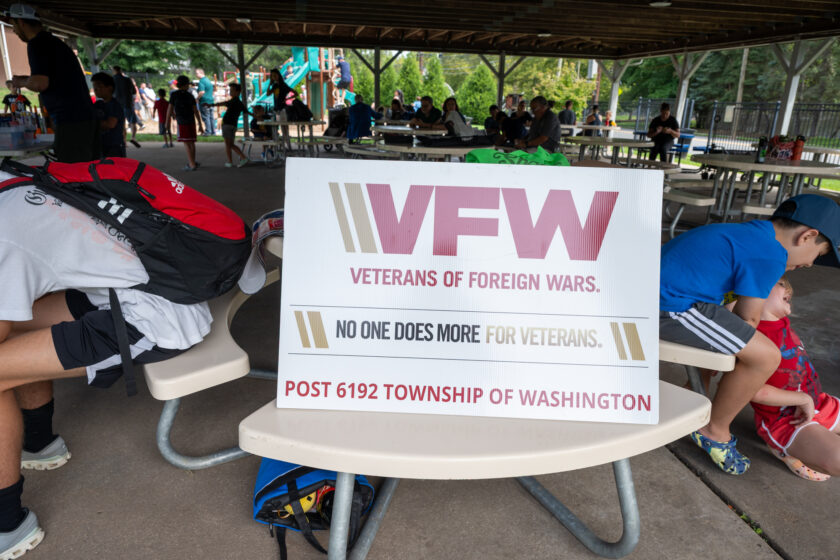
That theme connected the Guard’s presence with the work of the Scouts and VFW Memorial Post 6192. Post Commander Tom Sears said the VFW serves as the chartering organization for the local Scouts and helps cover their charter expenses.
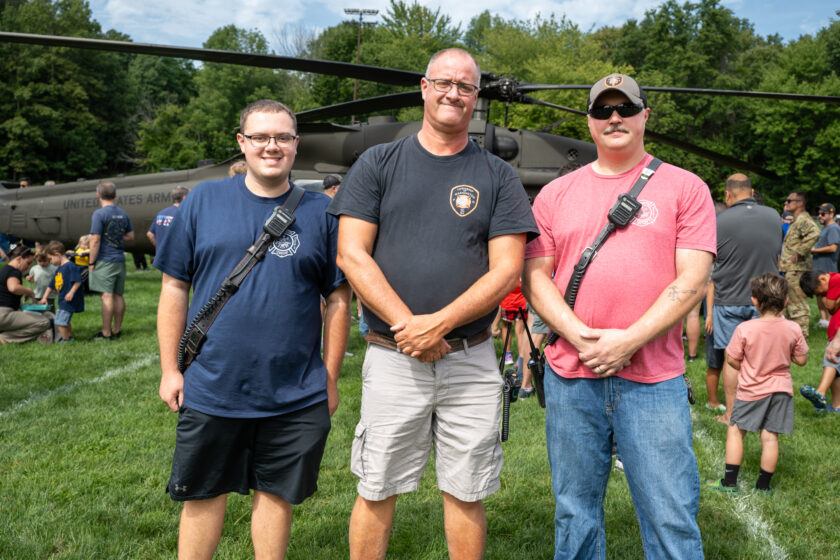
Veterans were also on hand to meet residents, share their experiences and provide information about available resources.
The result was part aviation classroom, part science lesson and part community celebration.
Families we spoke with came from the Township, Westwood, Park Ridge, River Edge, Bergenfield and other nearby communities. One family visiting from Jacksonville, Fla. joined the line.
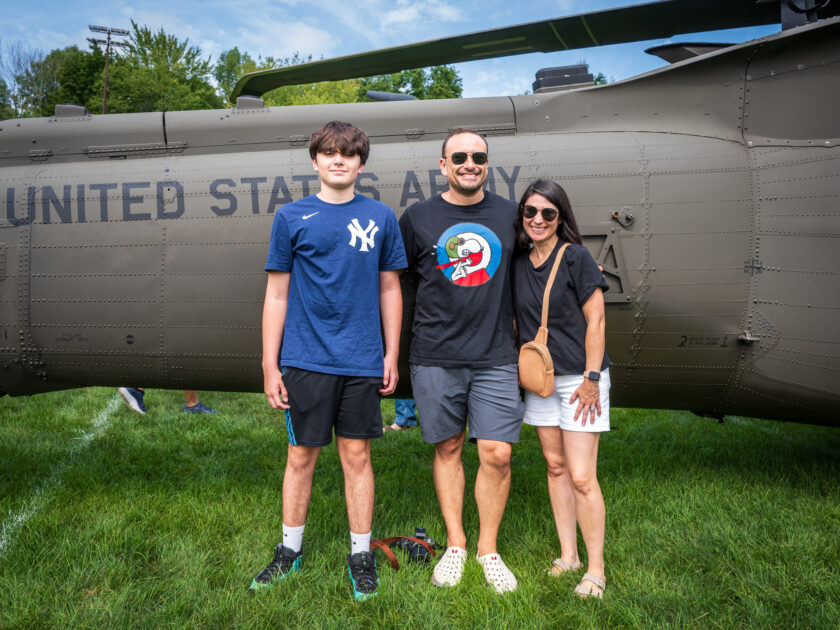
Dave Brecher of the Township arrived with his family. He wore a Snoopy flying-ace shirt—a perfectly chosen piece of aviation apparel that, he said, he had grabbed that morning without making the connection.
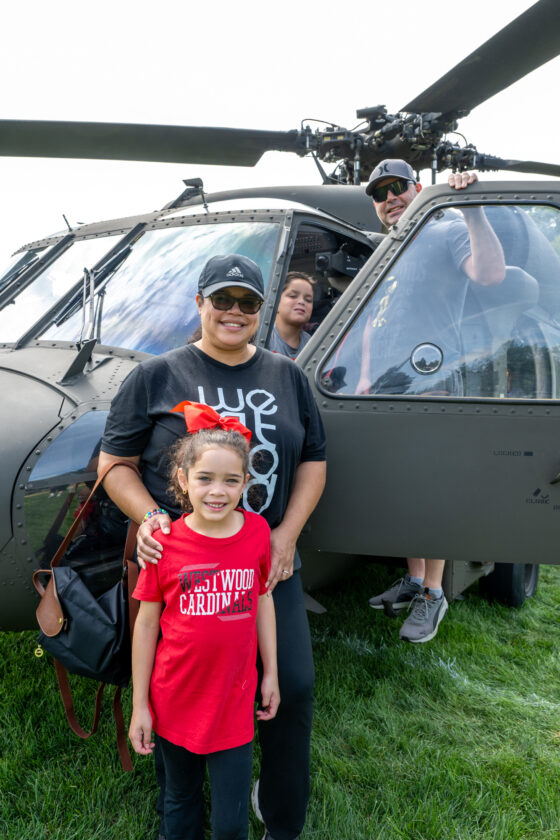
Among the children taking turns in the cockpit was “Lulu” Leschinsky of Westwood, a young girl in red from a military family. Her mother’s dad was in the Army, and all her cousins were in the Marines.
Lulu had no shortage of plans for her own aviation career.
“I want to go inside and go in the air,” she said. Then she raised the stakes: She wanted to jump from an airplane like a paratrooper.
“She’s fearless,” her mom, Janell, said. Backing them up: dad, Mat, and brother, Isaac.
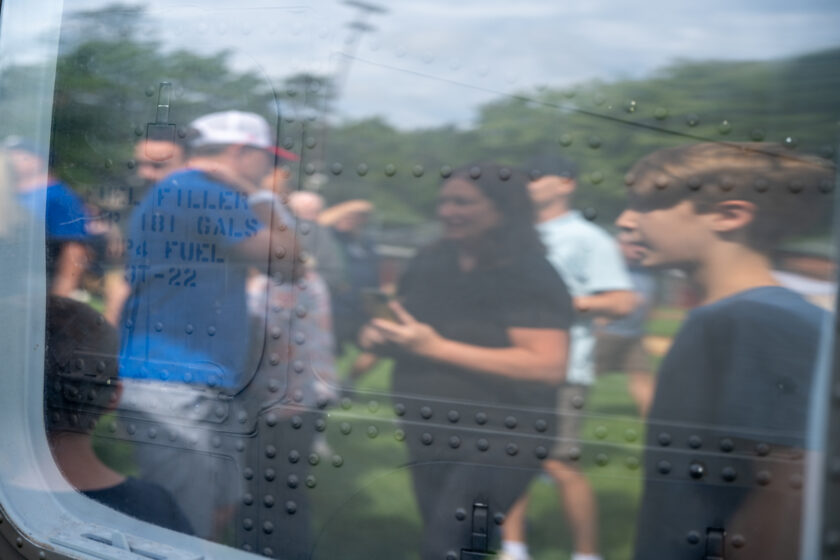
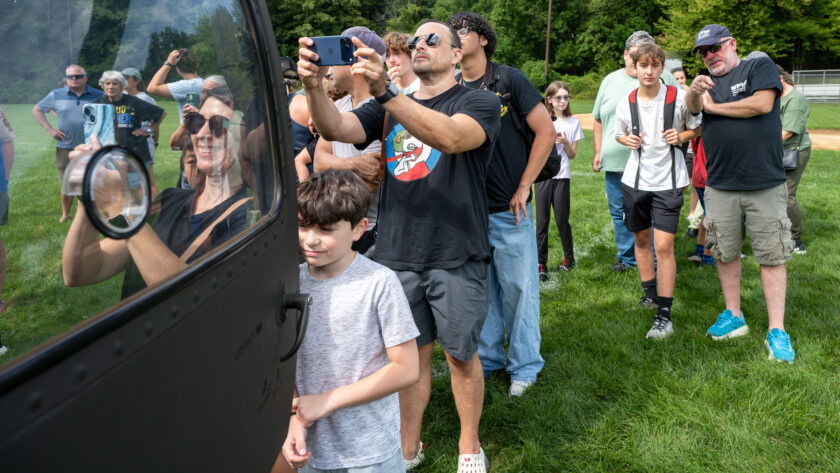
All morning, adults took pictures through the helicopter’s open doors. Children leaned toward the instrument panel, called for siblings to join them and waved to parents waiting outside.
For many, it was the first time they had seen a Black Hawk anywhere but on a screen. For a few minutes, they were allowed to imagine that the pilot’s seat belonged to them.
Eventually, each child had to climb down and give someone else a turn. Round and round it went: one child in, one photograph, one reluctant exit—and then the next dreamer climbed aboard.