
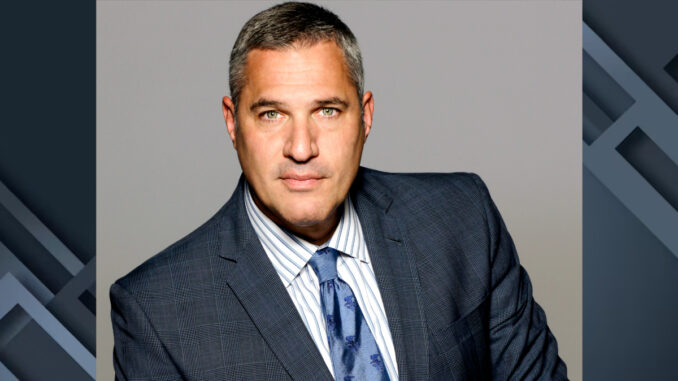
ENGLEWOOD, N.J.—Mayor Michael Wildes is managing partner of the immigration law firm Wildes & Weinberg, P.C., founded in 1960 by his father, Leon Wildes, who is widely known for representing John Lennon in his deportation case. An adjunct professor at the Benjamin N. Cardozo School of Law, Wildes teaches business immigration law and has testified before Congress on immigration and anti-terrorism legislation. A former federal prosecutor with the U.S. Attorney’s Office for the Eastern District of New York, he is also the author of Safe Haven in America: Battles to Open the Golden Door.
Wildes and his family have lived in Englewood for decades. He is serving his fifth term as mayor, the longest-serving mayor in the city’s history.
Hillary Viders: Since we last spoke three years ago, immigration policy has changed dramatically under the current administration. How has that affected your practice?
Mayor Michael Wildes: This administration has brought about immense changes to the immigration landscape. While the policies and legal developments have varied in effect, their purpose has largely been consistent: restricting the scope of immigration relief and making approval more difficult. The pace of change has often been head-spinning, undoing decades of settled practice with little warning. Fortunately, our boutique firm is staffed by seasoned attorneys who have been able to adapt quickly and develop new strategies as policy changes emerge.
HV: Do you expect any of the current immigration policies to be reversed?
MW: The American public has historically supported enforcement against noncitizens with serious criminal histories while favoring a lower priority for law-abiding people who have built lives and families here. While I do not expect this administration to change course, I believe a future administration will likely revisit many of the significant changes implemented since January 2025, including detention policies, visa restrictions and aspects of the immigration court system.
HV: What has been your most challenging immigration case?
MW: One of the most meaningful was representing Eli Sharabi, a survivor of the Oct. 7 attack in Israel and now a leading human rights advocate. We worked to secure a legal status that would allow him to continue his advocacy while navigating the complexities that often accompany clients who have experienced extraordinary trauma.
HV: What advice do you give your students at Cardozo?
MW: My late father, Leon Wildes, always taught that every case deserves to be pursued from every possible angle. It was that approach that led him to develop the concept of deferred action while representing John Lennon. Immigration law changes from one administration to the next, but dedication to clients should never change. That’s what I try to instill in my students.
HV: You have also advised lawmakers on anti-terrorism issues. Is there any current legislation that has your attention?
MW: Recent events have underscored the growing threat of domestic terrorism. One proposal receiving attention is the Domestic Terrorism Prevention Act, introduced by Senator Dick Durbin, which remains before the Senate Judiciary Committee.
HV: You are serving your fifth term as Englewood’s mayor. Looking back, what changes stand out most?
MW: The most striking change has been Englewood’s ability to grow while preserving its identity. Early on, our focus was rebuilding trust in government and strengthening core services. Since then, we’ve seen continued downtown revitalization, investment in local businesses and greater civic engagement. Residents today are more informed and involved, which has encouraged greater transparency and responsiveness from city government.
Perhaps what makes me most proud is Englewood’s resilience. Whether responding to economic challenges, flooding or public health emergencies, our community has consistently come together and moved forward. That spirit continues to shape our vision for the city’s future.